Introduction
When developing period underwear, one of the challenges brands often face is finding the right balance between absorbency and comfort. A gusset that feels too thick can make the underwear less comfortable, create visible lines under clothing, and affect the overall fit.
At the same time, making the gusset thinner is not always straightforward. The absorbent layers need to hold fluid effectively, while the barrier must help prevent leakage. Reducing bulky without affecting these functions requires careful consideration of the materials and construction.
If you're developing a new Custom Seamless Period Underwear Collection or looking to improve an existing style, here are a few things worth considering.
Why Does Period Underwear Feel Too Thick?
Not all bulky period underwear has the same cause. Sometimes the issue comes from the materials themselves; in other cases, it is related to gusset design and construction.
1.Too Much Material in the Gusset
The gusset typically contains several functional layers, including a skin-contact fabric, absorbent layer, liquid-resistant barrier, and outer shell fabric layer.
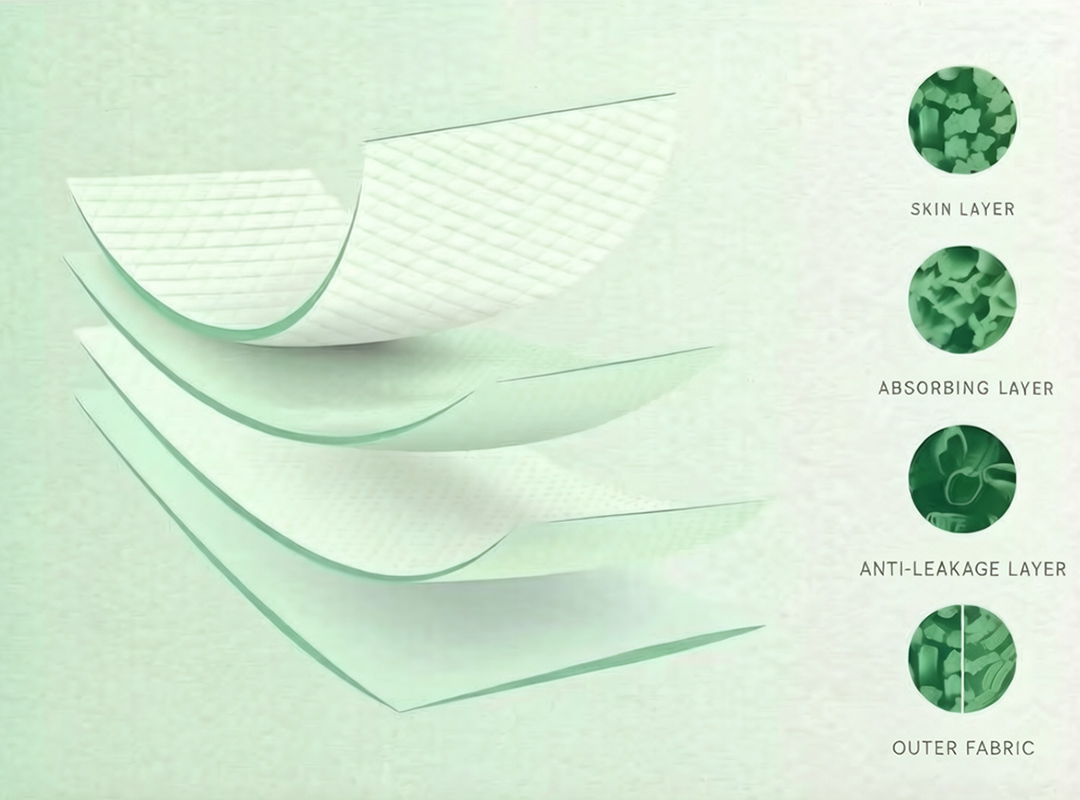
Each layer has a purpose, but combining materials that are all relatively thick can make the finished gusset feel padded. Simply adding more layers does not mean better absorbency or protection.
When developing Private Label Period Underwear Manufacturer, it is worth reviewing whether the existing construction is using the most suitable combination of materials for the intended absorbency level.
2.The Absorbent Layer Is Too Bulky
The absorbent core has a direct impact on wearing comfort.
Some materials can retain considerable thickness even after compression, making the gusset feel heavy or stiff. Others may offer a more compact structure, but their actual performance depends on material composition, fabric construction, and fluid retention ability.
This is why material selection should consider more than softness or thickness alone. Absorption, fluid retention, rewetting, and wash durability all need to be taken into account.
3.The Gusset Is Not Well Proportioned
The dimensions and shape of the absorbent panel also matter.
If the gusset is wider or longer than necessary, it may create extra bulk. If the edges are poorly finished, the transition between the absorbent panel and the main garment can feel noticeable.
The goal is to find a shape that works with the underwear style, size range, and intended use.
4.The Construction Creates Unnecessary Bulky
Even when the materials are suitable, the finished product can still feel thick if the layers overlap unevenly or the edges are too rigid.
Stitching, bonding, and reinforcement can all affect the final result. These details are especially important during sample development for lightweight period underwear.
How Can You Make Period Underwear Thinner Without Losing Protection?
When a brand asks us to develop a thinner gusset, the first consideration should be the overall construction rather than simply removing a layer.
The right approach depends on the product's intended absorbency, material combination, and target price.
1.Review the Gusset Layer Structure
Start by reviewing what each layer contributes to the product.
A typical period underwear gusset may include:
· A skin-contact layer for softness and comfort.
· An absorbent layer to take in and retain menstrual fluid.
· A liquid-resistant barrier to help prevent leakage.
Before changing the structure, consider whether each layer is necessary and whether a different material combination could deliver the required performance with less bulky.
For example, a more suitable absorbent material may allow the gusset to be thinner without removing an essential functional layer.
2.Choose Materials That Work Well Together
For period underwear manufacturers, choosing individual materials is only part of the development process. The way those materials perform together is equally important.
Cotton, modal, bamboo-derived viscose, and engineered absorbent fabrics may be considered for different components, depending on the product requirements. Each has different characteristics, and none is automatically the best choice for every construction.
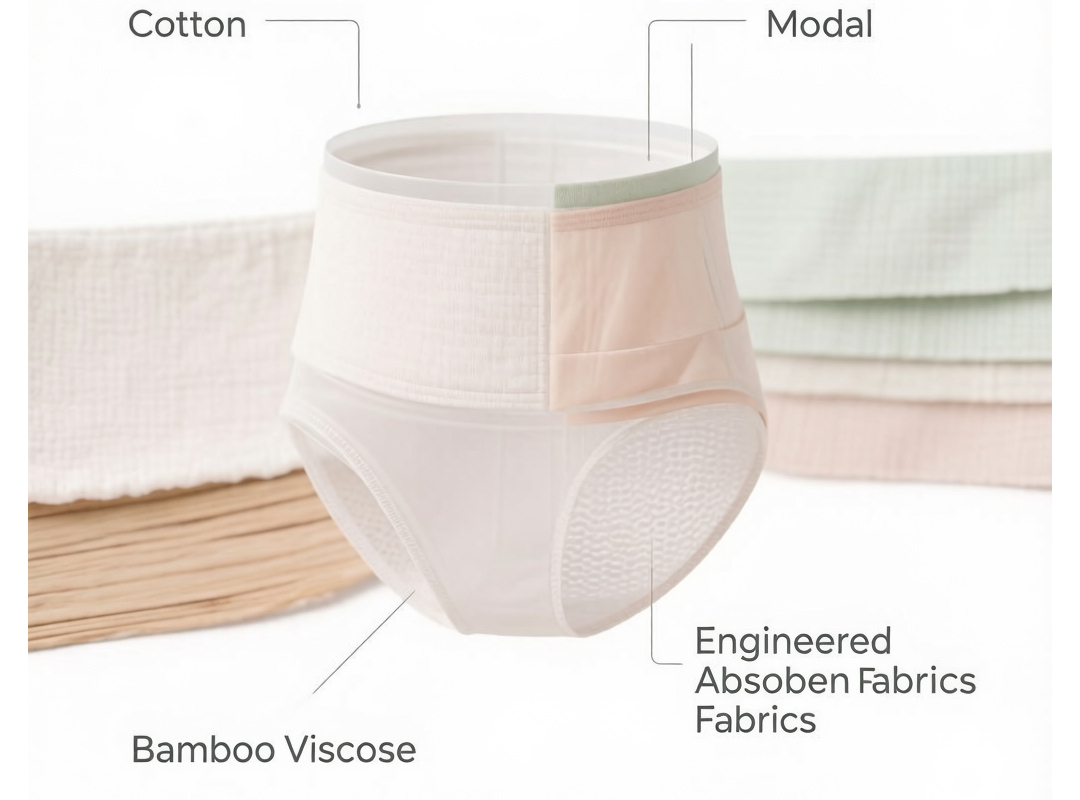
When comparing options, consider:
· Absorption speed
· Fluid retention performance
· Rewetting control
· Softness and flexibility
· Wash durability
A material that feels thin when dry may behave differently after absorbing fluid. Therefore, finished sample testing is more valuable than judging fabric thickness alone.
3.Select a Flexible, Reliable Barrier
The barrier layer is another important part of the construction.
A thinner, more flexible barrier may help reduce the padded feeling, but it still needs to provide suitable liquid resistance and withstand repeated washing.
Rather than choosing the thinnest film available, the aim is to find one that works well within the complete gusset structure.
4.Adjust the Gusset Pattern and Finishing
Sometimes, the improvement comes from refining the pattern rather than changing all the materials.
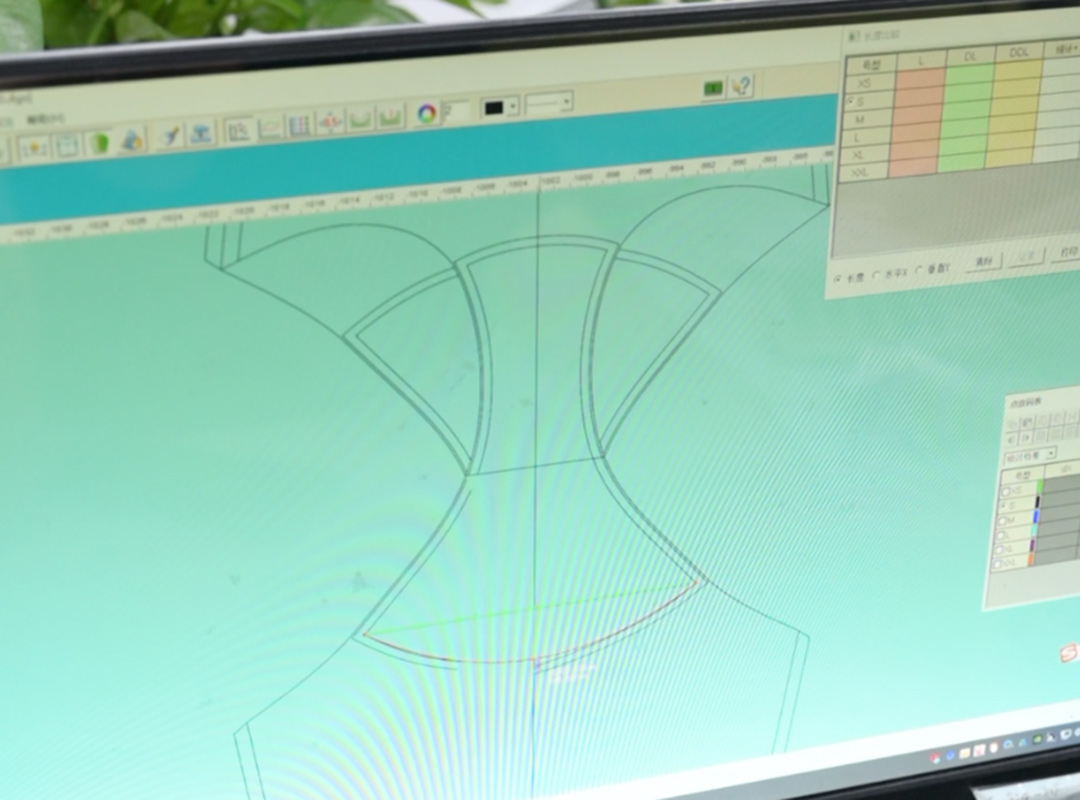
The length, width, and shape of the absorbent area should provide appropriate coverage without unnecessary material. The edges should also lie smoothly against the surrounding fabric.
During sampling, adjustments to the gusset dimensions, seam placement, and finishing methods may help create a flatter and more flexible result.
What Should Brands Consider When Developing Lightweight Period Panties?
A thinner gusset may improve comfort, but thickness alone does not determine product performance.
Before approving a new design, brands should consider:
· Absorbency: Does the product meet light, moderate, or heavy flow requirements?
· Fluid retention: Can the structure hold the fluid effectively under pressure?
· Leak protection: Do the absorbent area, barrier, and garment design work together ?
· Comfort and fit: Does the gusset feel soft and flexible without excessive bulky?
· Wash durability: Can the performance be maintained after repeated laundering?
These factors should be evaluated together. A construction that looks thinner in samples may not always provide the best real wearing experience.
For brands developing custom period underwear, defining these requirements early can make the sampling process more efficient and help avoid unnecessary revisions later.
How Do You Evaluate a New Period Underwear Sample?
If you're working with a period underwear supplier on a new design, it helps to have clear criteria before approving the sample.
Here are a few practical steps:
1. Review the construction
Check the materials, number of layers, gusset dimensions, and barrier placement. Identify areas where unnecessary bulk may be reduced.
2.Compare sample options
Evaluate different material combinations based on thickness, softness, flexibility, fit, and appearance under clothing.
3. Test product performance
Assess absorption, fluid retention, rewetting, leakage resistance, and wash durability.
4. Confirm production specifications.
Once the design is approved, document the material composition, construction details, and relevant quality requirements before bulk production.
A clear development process helps brands make decisions based on actual product performance rather than appearance alone.
Working with a Period Underwear Manufacturer on Your Next Collection
Every brand has different priorities. Some want a lighter everyday style, while others focus on higher absorbency, a particular fabric, or a specific retail price.
These differences affect the gusset construction, material selection, and overall garment design.
At CHUANGRONG APPAREL, we work with brands on intimate apparel development and manufacturing. For period underwear projects, we can discuss :
· Material selection
·Product requirements
·Construction solutions
·Sampling and development needs
If you already have a sample or technical specification, we can review your existing design. If you're developing a new collection, we can discuss the product concept and the requirements for your target market.
Looking for a period underwear manufacturer for your brand?
Feel free to share your ideas with our team, and we can discuss the materials and construction options together.
📩 Email: Lexie@Sharicca.com
🌐 Website: www.chuangrongapparel.com