How to Remove Flush Valve from Toilet ?

A toilet flush valve is one of the most critical components inside a toilet tank. When problems such as leaking, weak flushing, or continuous running occur, removing the flush valve is often the first step for repair or replacement.

However, toilet flush valve removal is not the same for every toilet. Different toilet structures and flush valve designs require different removal methods. Using the wrong approach may damage the ceramic tank or internal fittings.

This guide explains how to remove flush valve from toilet step by step, based on common toilet types, helping you complete the task safely and correctly.

Before starting, turn off the water supply and flush the toilet to empty the tank.


Step 1: Remove the Toilet Tank Lid Safely


Removing the toilet tank lid is the first and most important step.

  • Handle flush toilets and side push button toilets. The tank lid can usually be lifted straight upward without resistance.
  • Top push button toilets. Some top button toilets install the push button after the tank lid is in place. In this case, the lid cannot be lifted directly. First, rotate the push button counterclockwise to remove it, then lift the tank lid.

⚠️ Important note:

Toilet tank lids are made of ceramic and are extremely fragile. Always lift slowly and place the lid on a flat surface. A broken tank lid is difficult to replace with an exact match.


Step 2: Identify One Piece Toilet or Two Piece Toilet


Before removing the toilet flush valve, determine the toilet structure.

  • One piece toilet. The tank and bowl are manufactured as a single ceramic unit.
  • Two piece toilet. The tank and bowl are separate parts connected by a bolt set. This is a very common design.

Each structure requires a different flush valve removal method.


Step 3: Toilet Flush Valve Removal for One Piece Toilet


Tools required: Phillips screwdriver

Removal steps:

  1. Inside the tank, remove the sealing components from the flush outlet. This may be a canister flush valve upper section or a flapper flush valve.
  2. After removal, a fixing screw can be seen at the center of the flush outlet.
  3. Use a Phillips screwdriver to rotate the screw counterclockwise slowly. While loosening the screw, gently pull upward on the toilet flush valve.
  4. Stop loosening when the flush valve can be removed smoothly.

⚠️ Do not fully loosen the screw.

If the screw is completely released, the metal hook at the bottom may fall into the toilet body and become very difficult to retrieve.


Step 4: Toilet Flush Valve Removal for Two Piece Toilet


Tools required: Small adjustable wrench. A large wrench is not recommended because the space under the tank is limited.

Removal steps

  1. For two piece toilets, the tank must be removed first. Look under the tank to locate the two mounting bolts.
  2. Try loosening the nuts by hand. If hand loosening is not possible, use a small adjustable wrench and rotate clockwise to remove the nuts.
  3. After both nuts are removed, lift the tank carefully and separate it from the bowl.
  4. Turn the tank upside down. A large mounting nut will be visible at the flush outlet.
  5. Remove this large nut, and the toilet flush valve can be taken out from inside the tank.


Conclusion


Although removing a toilet flush valve may seem simple, the correct method depends on the toilet structure and flush valve design. Identifying the toilet type, using the proper tools, and controlling force carefully can prevent costly damage.


If the flush valve shows signs of aging or poor sealing performance, replacing it with a compatible toilet flush valve replacement part is usually the most reliable solution.

When flush valve size or design compatibility is uncertain, consulting a professional supplier can save time and avoid installation issues. A properly installed flush valve ensures reliable flushing and long-term toilet performance.

7 Key Criteria to Evaluate a Reliable Lingerie OEM Factory

A Practical Guide for European & American B2B Buyers


Choosing the right lingerie OEM manufacturer is one of the most critical decisions for brands, wholesalers, retailers, and private-label businesses. A reliable China lingerie OEM factory directly impacts product quality, delivery timelines, compliance, and your brand’s reputation in competitive EU and US markets.

For buyers sourcing bra OEM manufacturing, underwear OEM supply, seamless lingerie production, or private label lingerie, understanding how to properly evaluate a factory can significantly reduce risk and improve long-term profitability. Below are the 7 key criteria every B2B buyer should consider—along with how choosing the wrong OEM partner can hurt your business.


1. Lingerie-Focused Manufacturing Experience

Lingerie is not general apparel. It requires precise pattern-making, fabric control, stretch management, and sizing accuracy. A reliable factory should specialize specifically in lingerie categories such as bras, underwear, shapewear, and seamless products.

Risk of choosing the wrong OEM: inconsistent fit, sizing complaints, and high return rates.

 2. OEM & ODM Capability

International buyers often need both OEM and ODM services. OEM supports your custom designs, while ODM allows you to customize ready-developed styles to speed up market entry.

Risk of choosing the wrong OEM: long development cycles, high sampling costs, and missed selling seasons.

3. Product Development & Sampling Speed

A professional lingerie OEM factory should offer fast sampling, accurate pattern adjustments, and smooth communication during development. Speed-to-market is a major competitive advantage for B2B buyers.

Risk of choosing the wrong OEM: repeated sampling delays and rising development costs.

4. Quality Control System

Reliable factories implement quality control at every stage—fabric inspection, in-line production checks, and final inspection before packing. Consistent quality is essential for repeat orders.

Risk of choosing the wrong OEM: unstable quality, customer complaints, and brand damage.

5. Compliance & Certifications

For EU and US markets, compliance is non-negotiable. A qualified lingerie OEM manufacturer should meet standards such as BSCI, OEKO-TEX®, ISO9001, SMETA, GRS, and GOTS.

Risk of choosing the wrong OEM: failed audits, blocked shipments, and lost retail opportunities.

 6. MOQ Flexibility & Production Capacity

Flexible MOQ allows buyers to test the market before scaling. At the same time, the factory must be capable of handling bulk orders with stable lead times.

Risk of choosing the wrong OEM: forced high MOQs or inability to scale successful products.

 7. Communication & Delivery Reliability

Clear English communication, transparent timelines, and on-time delivery are critical when working with overseas manufacturers.

Risk of choosing the wrong OEM: misunderstandings, delayed shipments, and missed selling seasons.


 How Chuangrong Solves These Challenges


Shantou City Chuangrong Apparel Industrial Co., Ltd. is a professional lingerie OEM/ODM manufacturer in China, established in 2012 and located in Gurao Town, Shantou—the core hub of lingerie production.


 Why B2B Buyers Choose Chuangrong:

* 20,000㎡ self-owned factory with 510 skilled workers

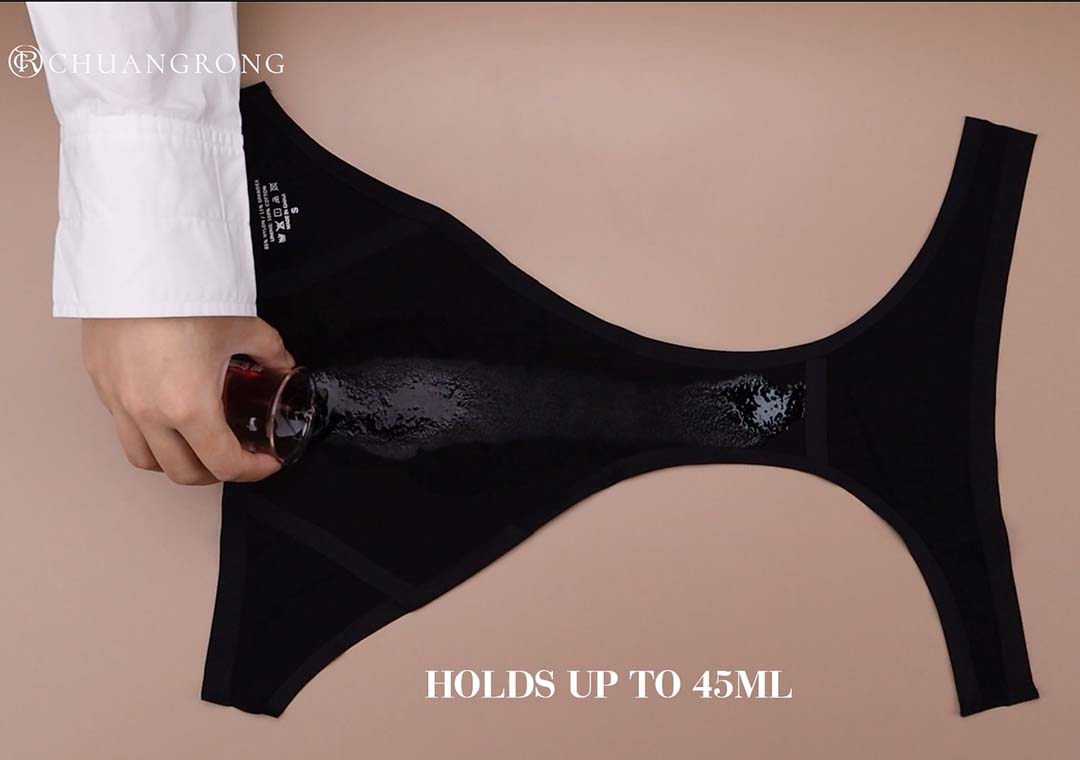
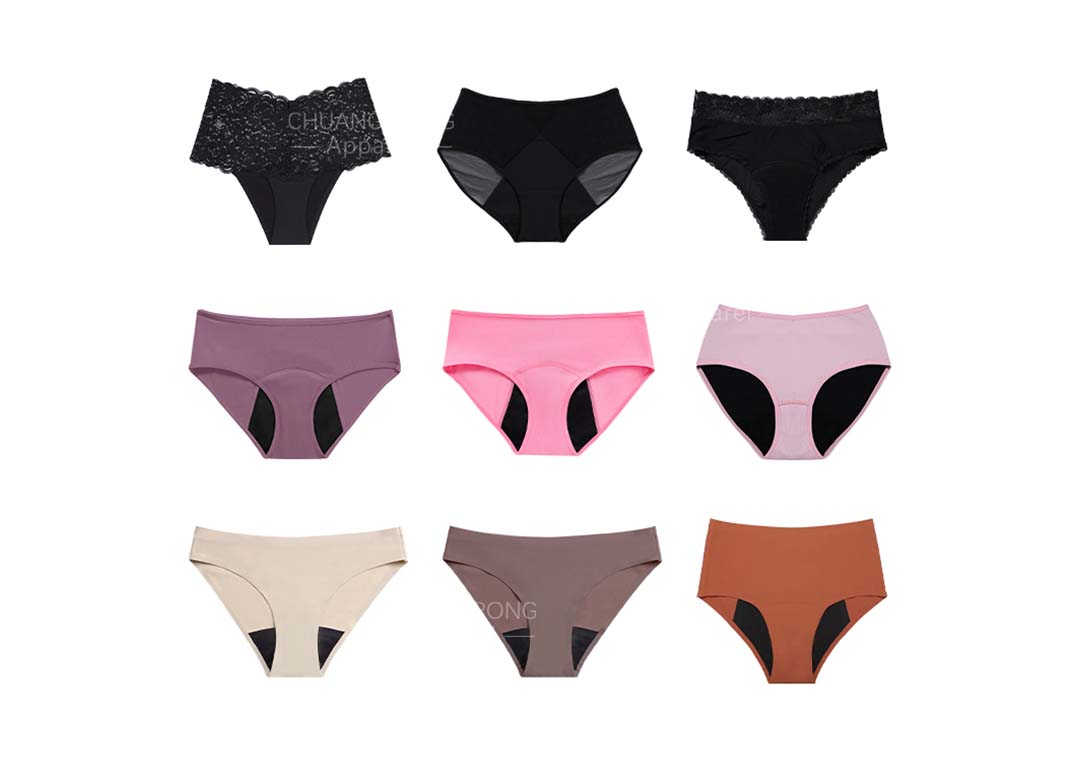
* Strong focus on seamless lingerie, menstrual underwear, shapewear, and sexy lingerie

* OEM & ODM services to support both custom designs and fast launches

* Sample MOQ: 1 piece | Bulk MOQ: 3,000 pcs per style per color

* Stable 35-day delivery after pre-production sample approval

* Certified with BSCI, OEKO-TEX® Standard 100, ISO9001, GRS, GOTS, and SMETA

* Trusted OEM partner for global brands such as ALDI, LIDL, INDITEX, AUCHAN, BOUX, NINE WEST, and SHEIN

* Multiple stable production lines and an in-house testing laboratory ensuring quality consistency


Chuangrong is positioned in the mid-to-high-end lingerie market, offering competitive pricing without compromising quality or compliance.


 Take Action: Start a Low-Risk Trial Order with Chuangrong


Choosing the right lingerie OEM factory is about minimizing risk and maximizing long-term value. With flexible MOQ, certified quality, fast development, and proven export experience, Chuangrong Apparel helps B2B buyers source lingerie with confidence.


Partner with Chuangrong and start your low-risk trial order today!

📩 Email: Lexie@Sharicca.com


🌐 Websitewww.chuangrongapparel.com

Benefits of Period Underwear for Sustainable & Eco-Friendly Brands

For sustainable lingerie brands, private label buyers, and B2B wholesalers, period underwear has become one of the fastest-growing product categories in the global intimate apparel market. As consumers increasingly prioritize eco-friendly lifestyles, brands are increasingly turning to experienced OEM manufacturers such as Shantou Chuangrong Garments Industrial Co., Ltd. to develop reliable, scalable, and sustainable menstrual underwear solutions.


Environmental Impact of Disposable Menstrual Products

For eco-conscious brands sourcing period underwear from professional manufacturers, understanding the environmental cost of disposable sanitary products is essential. Conventional pads and tampons rely heavily on plastics, chemical absorbents, and synthetic materials, leading to significant landfill waste and long decomposition cycles.

Manufacturers like Chuangrong, with experience in reusable menstrual underwear production, help brands transition away from single-use products by offering washable, long-lasting alternatives that significantly reduce environmental impact.

Reusable Period Underwear as a Sustainable Solution

For private label period underwear OEM buyers, reusable menstrual underwear provides both environmental and commercial advantages. Designed with multi-layer absorbent cores, leak-proof membranes, and breathable fabrics, modern period underwear offers reliable protection without compromising comfort.

At  Chuangrong reusable period underwear is engineered for durability and repeated washing, enabling brands to deliver eco-friendly value while supporting long-term customer retention and premium positioning.


Sustainability Certifications That Support Brand Credibility

For B2B buyers working with certified menstrual underwear manufacturers, internationally recognized sustainability certifications play a critical role. OEM partners like Chuangrong align production with standards such as OEKO-TEX® Standard 100, GRS, and BSCI to ensure material safety, recycled content compliance, and ethical manufacturing practices.

These certifications support eco-friendly brands in meeting EU and US market requirements while strengthening sustainability messaging.

Case Study Examples: Brands Embracing Sustainable Period Underwear

For global lingerie brands and wholesale partners, many sustainability-focused brands have successfully expanded their collections by launching private label period underwear. By collaborating with experienced manufacturers such as Chuangrong, brands are able to shorten development cycles, ensure consistent quality, and scale production efficiently.

These brands often report improved customer loyalty, stronger ESG positioning, and increased brand differentiation after introducing reusable menstrual underwear lines.


Conclusion: A Strategic Product for Sustainable Growth

For B2B buyers seeking a reliable period underwear OEM manufacturer, reusable menstrual underwear represents a strategic investment in both sustainability and long-term profitability. Partnering with Chuangrong enables brands to develop certified, high-performance period underwear tailored to global markets—while reinforcing their commitment to environmental responsibility.

📩 Email: Lexie@Sharicca.com


🌐 Websitewww.chuangrongapparel.com

Why do OEM lingerie orders need to be placed at least 2-3 months in advance?

For B2B OEM underwear buyers, procurement lead time directly impacts market launch plans and order fulfillment efficiency. A common question among B2B purchasers is: why do OEM underwear products require procurement 2-3 months in advance? The core reason lies in the multi-step, time-sensitive production process—each link has non-negotiable quality control standards and fixed time frames. This article breaks down the full OEM underwear production process, clarifying the rationale behind advance procurement and helping B2B buyers optimize supply chain scheduling.

Fabric Inspection (1 Day + 1-2 Weeks Sourcing): Quality Pre-Control for B2B Orders
Fabric inspection is the foundational step in OEM lingerie production, especially for high-quality items like OEM wholesale high-quality high-absorbency seamless period pants. Chuangrong uses advanced inspection equipment to verify fabric grammage, length, and appearance, eliminating stains, color differences, and holes. Only qualified fabrics enter warehousing, a process taking 1 full day. Fabric sourcing alone takes 1-2 weeks (varies by material and customization).

Fabric Relaxation (1 Day): Non-Negotiable for Size Stability
Fabric relaxation ensures size accuracy, a must for products such as custom seamless high-quality women's underwear. Factories use specialized machines to release tension from rolled fabrics, restoring a natural state to prevent post-cut shrinkage and fit issues. This step takes another full day and cannot be rushed—speeding it up risks size deviations and costly reworks, reinforcing the need for early ordering.

OEM Underwear Spreading(1 Day)
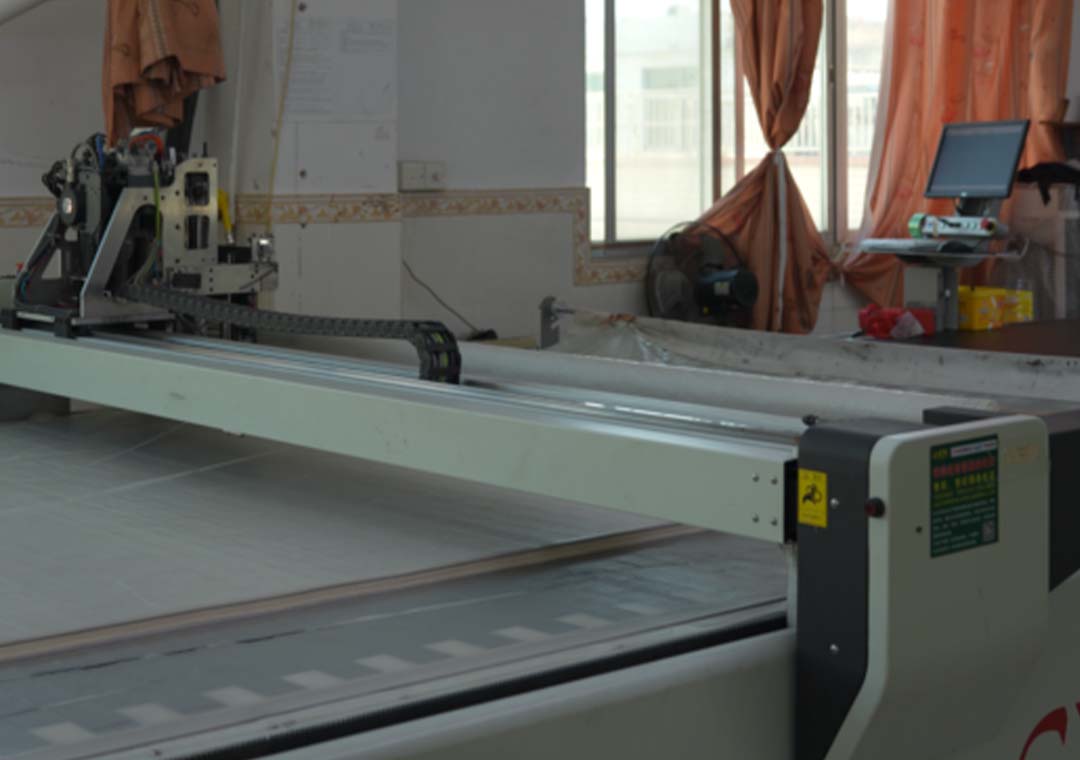
Automated Precision Link Requiring Scheduling Buffer. OEM underwear spreading is completed by automatic cutting beds, which calculate layers and maintain stable tension to avoid manual errors. While this step doesn’t take a full day independently, it’s tightly integrated with subsequent cutting and requires equipment scheduling. For large B2B OEM orders, factories often have multiple orders queued for automated cutting beds—advance procurement ensures your order secures equipment time without delays.


Lingerie Cutting (1 Day) 
After the fabric is laid out, the automatic cutting machine clamps the fabric and cuts it according to the pre-designed layout. The cut fabric pieces are then bundled together to prevent confusion. If producing high-quality OEM custom lace bras, the lace trimming process is even more time-consuming and labor-intensive—multiple layers of lace need to be sewn and secured together to ensure the wave patterns are aligned before cutting to prevent shifting. This entire process takes at least a full day.

OEM Underwear Sewing (2-3 Days / 5-14 Days for Large Batches)
Mass Production Cycle Driven by Order Volume. Sewing is one of the most time-consuming links in OEM underwear production. B2B factories use assembly lines to splice cut pieces, and the cycle depends on order quantity—regular bulk orders take at least 2-3 days, while large orders can take 5-14 days. Coordinating workforce and production lines for bulk OEM orders requires advance planning.

OEM Underwear Final Inspection (1 Day) 
The final quality control stage requires allocating buffer time for rework, as production inevitably involves some losses. Final inspection, at the end of the assembly line, checks size, appearance, and bonding durability—key criteria for B2B OEM order acceptance. Taking at least 1 day, this step often uncovers minor defects requiring rework (e.g., loose stitches, misaligned bonds). Advance procurement reserves 3-5 days of buffer time for reworks, avoiding delays to your delivery schedule.

OEM Underwear Packaging & Cartoning (1 Day) 
Final Link with Customization Lead Time. Qualified OEM underwear undergoes branded hang tag attachment, custom plastic bag packaging, and cartoning per B2B order requirements—taking about 1 day. For buyers needing customized packaging (e.g., logo-printed bags), packaging material sourcing adds another 1-2 weeks. Advance procurement accounts for this customization time, ensuring packaging aligns with your brand and timeline.

Adding up these steps, the base production cycle for OEM underwear is 8-14 days—but this excludes critical pre- and post-production time.

Fabric sourcing (1-2 weeks), packaging customization (1-2 weeks), production line scheduling (1-2 weeks), rework buffers (3-5 days), and international logistics (1-6 weeks) all contribute to the 2-3 month advance procurement requirement.

For B2B OEM underwear buyers, early procurement isn’t just about meeting deadlines—it’s about ensuring quality, avoiding rush fees, and aligning with factory workflows.

Shantou City Chuangrong Apparel Industrial Company,As a professional OEM underwear manufacturer, we provide transparent timeline breakdowns for global B2B partners, helping you plan procurement strategically and launch products on schedule.

📩 Email: Lexie@Sharicca.com


🌐 Websitewww.chuangrongapparel.com

E-TPU Safety Shoes and EN ISO 20345 /Balancing Comfort and Protection

Discover how E-TPU safety shoes balance comfort and protection under EN ISO 20345. Learn why S3S and S7S certification proves cushioning and stability can work together.

Introduction: Comfort Is Easy to Claim, Hard to Deliver

In safety footwear, comfort is easy to talk about — but much harder to deliver once safety requirements are involved. Many shoes may feel soft at first, yet fail to maintain stability, durability, or compliance when tested under EN ISO 20345.

This challenge becomes even more evident when advanced cushioning technologies such as E-TPU are introduced. The real question is not whether E-TPU can improve comfort, but how comfort can be achieved without compromising certified protection.

From a manufacturer’s perspective, this balance is exactly where product design, testing experience, and engineering decisions matter most.


Why EN ISO 20345 Sets a High Bar for Comfort-Focused Safety Shoes

EN ISO 20345 does not evaluate safety footwear based on comfort claims. It focuses on measurable protection and performance, including:

  • Slip resistance under controlled conditions

  • Penetration resistance and sole integrity

  • Structural stability during movement

  • Resistance to water, heat, and environmental stress (depending on classification)

For comfort-oriented safety shoes, especially those using high-resilience cushioning materials, meeting these requirements requires more than simply selecting the right material.

It requires system-level design.


The Real Challenge: Cushioning vs Stability

E-TPU is known for its energy-return and elastic characteristics. While these properties are beneficial for comfort and fatigue reduction, they also introduce design challenges in safety footwear:

  • Excessive rebound can affect stability

  • Inconsistent density can impact test repeatability

  • Poor integration may compromise slip resistance or penetration protection

This is why E-TPU cannot be treated as a standalone solution. In compliant safety footwear, it must work together with other sole components, each playing a defined role.


How E-TPU Safety Shoes Meet S3S and S7S Requirements

Achieving S3S and S7S classifications with E-TPU cushioning is a strong indicator of proper design and manufacturing control.

From a practical standpoint, this involves:

  • Controlled sole structure design
    E-TPU cushioning is integrated in a way that absorbs impact while maintaining lateral and torsional stability.

  • Compatibility with penetration-resistant systems
    Cushioning layers must support, not interfere with, penetration protection components.

  • Reliable slip resistance (SR)
    Outsole design and material selection ensure grip performance remains consistent under testing and real use.

  • Water resistance and environmental durability (S7S)
    Comfort features must coexist with WR requirements without reducing long-term performance.

The result is a safety shoe that feels noticeably more comfortable during daily use, while remaining fully compliant with demanding safety classifications.


Turning Compliance into a Selling Advantage

For many buyers, standards such as S3S or S7S can appear complex or purely technical. However, from a product and sales perspective, these classifications actually represent clear user benefits.

When comfort-focused safety shoes meet higher safety classes, it means:

  • Cushioning does not collapse under load

  • Stability is maintained throughout long shifts

  • Performance remains consistent over time

  • User comfort is not achieved at the expense of protection

In other words, compliance becomes proof that comfort has been engineered correctly — not added as an afterthought.


Where This Balance Matters Most

E-TPU safety shoes certified to S3S or S7S are particularly well suited for:

  • Warehouses and logistics operations

  • Industrial indoor environments

  • Mixed indoor–outdoor workplaces

  • Applications requiring long wearing hours and stable performance

In these scenarios, the combination of comfort and protection directly affects user acceptance, wear compliance, and long-term satisfaction.


A Manufacturer’s Perspective: Why This Is Not Entry-Level Design

From an OEM / ODM standpoint, combining advanced cushioning with higher safety classifications is not a low-cost or low-effort process.

It requires:

  • Experience in sole engineering

  • Understanding of standard testing behavior

  • Iterative validation during development

  • Stable mass-production control

This is why E-TPU safety shoes certified to S3S and S7S are typically positioned as value-added, comfort-oriented products, rather than entry-level options.


Conclusion: Comfort Proven by Protection

In safety footwear, true comfort must be proven — not just claimed.

E-TPU safety shoes that meet EN ISO 20345, including S3S and S7S classifications, demonstrate that comfort and protection can coexist when cushioning technology is properly engineered into the sole system.

For buyers seeking differentiated safety footwear solutions that support long working hours without compromising protection, this balance is exactly where long-term value is created.

How E-TPU Cushioning Reduces Fatigue in Safety Shoes A Manufacturer’s Perspective

Learn how E-TPU cushioning helps reduce perceived fatigue in safety shoes. A manufacturer’s perspective on comfort, energy return, and EN ISO 20345 compliance.

Introduction: Why Fatigue Matters in Safety Footwear Projects

In many working environments, safety footwear is worn not for one or two hours, but for an entire shift — often eight to ten hours a day. Over time, discomfort and fatigue become one of the most common complaints from end users, even when safety requirements are fully met.

This is why fatigue reduction has become a key discussion point in modern safety footwear development. Among the available technologies, E-TPU cushioning systems are increasingly used to improve long-term comfort — not by changing safety standards, but by improving how the shoe interacts with the wearer during daily use.

From a manufacturer’s perspective, reducing fatigue is not about making a shoe softer. It is about how impact, energy return, and support are balanced within the sole system.


What Causes Fatigue When Wearing Safety Shoes?

Fatigue in the feet and legs typically builds up due to repeated impact and prolonged pressure during walking or standing. In safety footwear, this effect can be amplified by:

  • Hard or unresponsive sole materials

  • Limited shock absorption during heel strike

  • Continuous energy loss with every step

  • Insufficient support over long periods

Over a full working day, these factors can lead to a feeling of heaviness, discomfort, and reduced willingness to wear the footwear consistently.

This is where sole cushioning and energy management play a critical role.


How E-TPU Cushioning Works in Daily Use

E-TPU is known for its high resilience and energy-return characteristics. When integrated into the sole system of safety footwear, it helps manage impact forces during walking and standing.

In practical terms, this means:

  • Impact energy is absorbed during foot strike

  • Part of that energy is returned as the foot lifts off

  • Less energy is “lost” with each step compared with traditional soles

For the wearer, this often results in a more responsive and comfortable underfoot feel, particularly noticeable during long shifts.

Many users describe E-TPU safety shoes as feeling less tiring by the end of the day — not because the shoe is soft, but because it works with natural movement rather than against it.


Why E-TPU Is Different from Standard PU Cushioning

Traditional PU soles are widely used in safety footwear and offer reliable durability and protection. However, standard PU typically focuses more on absorption than energy return.

E-TPU-based cushioning systems differ in that they:

  • Maintain elasticity over repeated compression

  • Provide a more dynamic response during walking

  • Feel less “flat” after hours of use

This difference becomes particularly relevant in environments where workers walk long distances indoors, such as warehouses, logistics centers, and production facilities.


Fatigue Reduction Without Compromising Safety

A common concern among buyers is whether improved cushioning affects safety performance. From a manufacturing standpoint, this is a valid question.

E-TPU cushioning systems must be carefully engineered to ensure that:

  • Overall sole stability is maintained

  • Penetration resistance systems function correctly

  • Slip resistance (SR) performance is not compromised

  • The shoe remains compliant with EN ISO 20345

When properly designed, E-TPU safety footwear can meet demanding safety classifications, including S3S and S7S, while still delivering a noticeable improvement in comfort.

This balance is achieved through sole structure design, not by relying on cushioning material alone.


Where Fatigue Reduction Makes the Biggest Difference

Based on manufacturing experience and customer feedback, E-TPU cushioning is particularly beneficial in:

  • Warehouse and distribution operations

  • Indoor industrial workplaces

  • Jobs involving prolonged walking or standing

  • Environments where comfort influences user acceptance

For these applications, fatigue reduction is not just a comfort feature — it can directly impact long-term wearability and user satisfaction.


A Manufacturer’s View: Comfort as a Design Strategy

From an OEM / ODM perspective, fatigue reduction is increasingly treated as a design strategy, not a marketing add-on.

Integrating E-TPU into safety footwear requires:

  • Careful material selection and density control

  • Structural design that balances support and flexibility

  • Validation through testing and mass production consistency

This is why E-TPU cushioning systems are typically found in comfort-oriented, value-added safety footwear, rather than entry-level or price-driven products.


Conclusion: Why E-TPU Matters in Modern Safety Footwear

Reducing fatigue in safety footwear is not about promising unrealistic results. It is about improving how a shoe performs over a full working day.

E-TPU cushioning systems, when properly integrated into the sole design, can offer a more comfortable and responsive wearing experience while remaining fully compliant with EN ISO 20345 requirements.

For safety footwear projects that prioritize long working hours, user comfort, and long-term wearability, E-TPU represents a practical and proven approach.

E-TPU Safety Footwear Advanced Cushioning and Comfort From a Manufacturer’s Perspective

An in-depth look at E-TPU safety footwear from a manufacturer’s perspective. Learn how advanced cushioning improves comfort while meeting EN ISO 20345, including S3S and S7S.

Introduction

Comfort and fatigue reduction are becoming increasingly important topics in safety footwear projects, especially in European markets where workers often spend long hours standing or walking.

Among the technologies gaining attention, E-TPU cushioning systems are frequently mentioned — but not always clearly understood. In this article, we look at E-TPU safety footwear from a manufacturer’s perspective, focusing on real-world comfort, design considerations, and how this technology fits within EN ISO 20345 requirements.


Why Comfort Matters More Than Ever in Safety Footwear

Traditional safety shoes are designed primarily around protection. While this remains essential, long-term wearing comfort is now a key factor influencing purchasing decisions, user acceptance, and overall satisfaction.

Discomfort and early fatigue can reduce productivity and increase complaints, particularly in environments such as warehouses, logistics centers, and indoor industrial operations.

This shift in expectations is one of the main reasons why cushioning technologies like E-TPU are being integrated into modern safety footwear designs.


What Is E-TPU and Why Is It Used in Safety Footwear?

E-TPU is a high-resilience cushioning material used within the sole system of safety footwear. Its structure allows it to absorb impact and return energy with each step, creating a more responsive underfoot feel compared with conventional PU soles.

However, E-TPU is not simply added to make a shoe “softer”. From a manufacturing standpoint, it must be carefully engineered into the sole structure to ensure stability, durability, and compliance with safety standards.


What Makes E-TPU Feel Different in Daily Use?

One of the most noticeable differences reported by users is improved comfort during long working hours. Compared with traditional PU soles, E-TPU-based soles feel more responsive and less fatiguing over time.

For workers who walk or stand for most of the day, this can translate into a more comfortable experience by the end of a full shift — particularly in indoor and warehouse environments.


Comfort and Safety: Finding the Right Balance

In safety footwear, comfort cannot come at the expense of protection.

E-TPU safety shoes must still meet the full requirements of EN ISO 20345, including slip resistance, penetration resistance, and overall stability. When properly designed, E-TPU-based sole systems can support certified safety footwear up to S3S and S7S classifications, while maintaining a high level of wearing comfort.

This balance is achieved through sole structure design and material integration, not by relying on cushioning alone.


Suitable Applications for E-TPU Safety Footwear

Based on manufacturing experience and typical use cases, E-TPU safety footwear is particularly suitable for:

  • Warehouse and logistics environments

  • Indoor industrial workplaces

  • Jobs involving prolonged standing or walking

For these applications, comfort and fatigue reduction play a significant role in long-term wearability.


A Manufacturer's View on E-TPU Safety Footwear

From an OEM / ODM manufacturing perspective, E-TPU represents a design-focused approach rather than a low-cost shortcut. Achieving consistent performance in mass production requires experience in sole engineering, testing, and quality control.

This is why E-TPU safety footwear is typically positioned as a comfort-oriented, value-added product line, rather than an entry-level solution.


Conclusion

E-TPU safety footwear combines certified protection with a noticeably more comfortable wearing experience, making it a strong option for safety footwear programs that prioritize long working hours and user comfort.

As expectations continue to evolve in the European PPE market, cushioning technologies integrated through thoughtful design will play an increasingly important role in safety footwear development.

ODM Safety Footwear Manufacturer | From Concept to Certification

ODM Capability

From Concept to Certification: A Structured Manufacturing Process


Original Design Manufacturing (ODM) in safety footwear goes far beyond visual styling or minor adjustments. For European importers and distributors, a reliable ODM safety footwear manufacturer must be able to translate application requirements into structured design, tooling, and compliance decisions.

This article explains our safety footwear ODM process from early concept definition through EN ISO 20345 certification, focusing on how structure, materials, and manufacturing constraints are managed at each stage. Rather than offering generic customization, custom safety shoes ODM requires a clear understanding of performance boundaries, certification risks, and long-term production stability.

By outlining a practical “from concept to certification” approach, this guide is intended for partners developing safety footwear specifically for the European market, where compliance predictability, documentation, and repeatability are critical to scalable success.


ODM in safety footwear is not about styling adjustments or surface-level changes.
It is a manufacturing-driven process that connects product concept, structure, materials, tooling, compliance, and repeatable production.

Below is how we manage ODM projects for European importers and distributors—from early concept to certified, scalable products.


Step 1: Use Case Definition & Performance Boundaries

Every ODM project starts with clarity of application, not design.

We define upfront:

  • Target working environment (indoor, outdoor, mixed, extreme)

  • Required safety category (e.g. S1P, S3, S7)

  • Comfort vs durability vs weight priorities

  • Expected lifecycle and replacement frequency

Why this matters:
Most redesign failures originate from unclear or conflicting performance expectations at this stage.


Step 2: Structural & Material System Design

Once boundaries are defined, we translate requirements into structure-level decisions, including:

  • Outsole system selection (PU/PU, PU/Rubber, multi-density structures)

  • Upper material logic (leather, textile, microfiber, reinforcement zones)

  • Internal components affecting compliance and comfort

  • Compatibility between materials and injection or assembly processes

Key principle:
Materials are selected based on performance scenarios, not unit cost alone.


Step 3: Tooling Strategy & Sole Mold Development

ODM requires control at the tooling level.

Our approach includes:

  • In-house evaluation of whether new molds are required

  • Sole geometry optimization for slip resistance, energy absorption, and durability

  • Long-term mold strategy aligned with potential future variants

  • Continuous internal investment in outsole molds and tooling upgrades

Buyer benefit:
Better differentiation and long-term product evolution without restarting from zero.


Step 4: Prototyping & Internal Validation

Before any laboratory testing, we conduct internal feasibility and risk checks, focusing on:

  • Structural integrity

  • Assembly stability

  • Injection consistency

  • Known compliance risk points under EN ISO 20345

This step reduces unnecessary test loops and avoids late-stage redesigns.


Step 5: Certification & Laboratory Testing Coordination

We treat EN ISO 20345 not as a checklist, but as a constraint system.

Our role includes:

  • Pre-alignment between product design and test requirements

  • Clear documentation and rationale for material and structure choices

  • Coordination with notified laboratories for testing and certification

Result:
More predictable outcomes and fewer unexpected failures during certification.


Step 6: Pilot Production & Process Stabilisation

Before scale-up, we validate:

  • Process repeatability

  • Tolerance stability

  • Material batch consistency

  • Packaging and labeling alignment for European distribution

ODM only succeeds when a design can be reproduced consistently, not just approved once.


Step 7: Scalable Production & Lifecycle Support

After approval, ODM continues beyond first production.

We support:

  • Variant development (colors, uppers, categories)

  • Volume scaling with controlled risk

  • Continuous improvement based on field feedback

  • Structured handling of complaints using root-cause analysis methods (e.g. 8D)


What ODM Means in Practice

Common Misunderstanding Our Definition
ODM = design service ODM = manufacturing system ownership
ODM = appearance change ODM = structure, tooling, and compliance decisions
ODM = one-off project ODM = long-term, evolvable product platform

Who This ODM Model Is For

This process is best suited for partners who:

  • Need differentiation beyond catalog products

  • Operate multi-SKU or evolving product ranges

  • Value predictability, documentation, and compliance clarity

  • Plan long-term cooperation rather than one-time orders


Light, Non-Sales Brand Reference (Optional)

At WORKWAY SAFETY, ODM is approached as a structured manufacturing discipline rather than a design shortcut.
The process above reflects how we manage real projects for European partners, from early definition through certification and scale.

S3 vs S7 Safety Shoes What's the Difference in EN ISO 203452022?

If you’re sourcing or distributing safety footwear in Europe, you’ve likely noticed the new classifications under EN ISO 20345:2022. One of the most important updates is the introduction of S7 safety shoes. But how does S7 compare to the long-established S3 safety boots? Let’s break down the differences.


What Does S3 Mean in Safety Footwear?

S3 safety shoes have been the industry standard for years. They include:

  • Toe cap protection (200 Joules)

  • 08/26/2025Antistatic properties

  • Energy absorption in the heel

  • Fuel and oil resistant outsole

  • Penetration-resistant midsole

  • Cleated outsole for grip

  • Water-resistant upper (WRU)

👉 S3 boots are versatile, widely used in construction, logistics, and manufacturing, but water protection is limited to the upper material only.


What Does S7 Mean in Safety Footwear?

S7 safety shoes, introduced in EN ISO 20345:2022, build on S3 but add full waterproofing:

  • Includes all S3 features

  • Plus WR (water resistance of the whole shoe), not just the upper

👉 This makes S7 safety boots ideal for wet environments like construction sites, agriculture, oil & gas, and outdoor utilities.

S3 vs S7: The Key Difference

The difference is simple:

  • S3 = water penetration resistance (upper only)

  • S7 = full waterproof protection (whole footwear)

Feature S3 Safety Shoes S7 Safety Shoes
Toe Protection
Penetration Resistant Midsole
Antistatic Properties
Fuel & Oil Resistant Outsole
Water Protection Upper only (WRU) Full shoe (WR)


Why S7 Matters for Distributors and Buyers

  • Growing Demand: European buyers increasingly ask for S7 waterproof safety shoes.

  • Better Protection: Ideal for workers exposed to rain, mud, and standing water.

  • Competitive Edge: Position your brand as forward-looking with EN ISO 20345:2022-compliant safety boots.


Marketing Insight: How to Sell S7 Shoes

When explaining to customers:

  • S3 = reliable protection for everyday work

  • S7 = advanced waterproof safety boots for tough, wet environments

👉 Selling tip: “S3 keeps workers safe. S7 keeps them safe and dry.”


Conclusion:
The difference between S3 and S7 safety footwear lies in water protection. Both meet high safety standards, but S7 safety shoes offer full waterproofing, making them the smarter choice for industries facing wet and outdoor conditions. For distributors, adding S7 safety boots to your range ensures you stay ahead in the European market.


S7S Waterproof Safety Boots – Original Xiamen Workway Design with Premium HRO Rubber Sole

Setting the Standard in Safety Footwear Innovation

In high‑risk work environments, footwear is more than a uniform requirement—it’s essential personal protection. At Xiamen Workway, we engineer S7S waterproof safety boots that combine uncompromising safety compliance, original design innovation, and premium material construction — including HRO‑rated rubber outsoles for durability and heat resistance — delivering maximum performance for professionals across industries.


Certified to the latest EN ISO 20345:2022 +A1:2024 S7S SR FO WR HRO standards, our boots are trusted by workers in construction, oil & gas, logistics, heavy manufacturing, and outdoor environments where safety and comfort are non‑negotiable.


What Makes S7S Waterproof Boots Exceptional?


  • S7S Certified Protection – Meeting one of the highest classifications in global safety footwear standards.

  • WR Waterproof Membrane – Keeps feet dry in heavy rain, wet terrain, and industrial washdown environments.

  • SR Slip Resistance – Engineered outsole with superior grip on wet, oily, or uneven surfaces.

  • HRO Premium Rubber Sole – High‑grade, heat‑resistant outsole that withstands contact temperatures up to 300°C, offering exceptional durability and wear life.

  • FO Fuel & Oil Resistance – Prevents sole degradation from chemicals and industrial fluids.

  • Composite Toe Protection – Lightweight, metal‑free impact protection for all‑day comfort.

This combination ensures Workway S7S waterproof boots don’t just meet safety benchmarks—they raise them.


Original Xiamen Workway Design Advantage

Every pair is an original Workway creation from our Xiamen headquarters. We design for the real challenges workers face, balancing safety, ergonomics, and style.

  • Ergonomic shaping for reduced fatigue during long shifts

  • Advanced waterproofing with breathability

  • Outsoles engineered for traction in challenging terrains

  • Premium HRO rubber compounds for longer wear cycles and performance under heat stress

  • Modern industrial aesthetics to complement functionality


OEM & ODM Capabilities

Alongside our own Workway branded line, we specialize in OEM (Original Equipment Manufacturing) and ODM (Original Design Manufacturing) services, offering:

 
  • Custom material and component options

  • Colorways and branding tailored to client specifications

  • Industry‑specific adaptations and lacing systems

  • Full technical support from prototyping to production


Trusted Across Industries

From construction sites in Europe to mining operations in Africa, and from oil platforms in the Middle East to logistics hubs in Asia, our S7S waterproof safety boots with HRO premium rubber soles deliver consistent performance, comfort, and extended lifespan in the harshest conditions.