What to Do When Your Concealed Toilet Tank is Leaking or Broken

A concealed toilet tank (also known as an in-wall or hidden tank) offers a sleek, space-saving design for modern bathrooms. However, when it starts leaking or malfunctions, repairs can be tricky since the tank is hidden behind a wall or panel.

In this guide, we’ll walk you through the steps to diagnose and fix a broken concealed toilet tank—and when to call a professional.


Signs Your Concealed Toilet Tank is Failing

Before taking action, confirm that the issue is indeed with the tank:

🔹 Water leaks on the floor near the toilet or wall 🔹 Constant running water sound even when not in use 🔹 Weak or incomplete flushing 🔹 Visible cracks (if the access panel is removed)


Step-by-Step Troubleshooting & Repair

1. Locate the Access Panel

Most concealed tanks have a removable panel (often near the flush buttons). Carefully remove it to inspect the tank.

2. Check for Leaks & Cracks

🔧 If there’s a minor leak: Tighten connections or replace the faulty seal. 🔧 If the tank is cracked: The entire unit may need replacement.

3. Inspect the Flush Mechanism

A faulty flush valve or fill valve can cause running water. Adjust or replace these parts if needed.

4. Shut Off Water & Drain the Tank

If the leak is severe: ✅ Turn off the water supply valve (usually behind the panel or under the sink). ✅ Flush to drain remaining water.

5. Call a Plumber if Necessary

If the issue is complex (e.g., pipe damage inside the wall), professional help is recommended.

Preventing Future Problems

Regularly inspect the tank through the access panel. ✔ Use high-quality parts when replacing components. ✔ Avoid harsh cleaners that can damage seals.


The many applications of plastic bags not just packaging


Plastic bags, as a convenient and widely used material, are no longer limited to daily packaging purposes. With the advancement of technology and the increase in environmental awareness, various innovative applications of plastic bags are changing the face of various industries. In this article, we will explore the diverse uses of plastic bags in different fields, showing how it can become a versatile material that is more than just a packaging tool.


1. Convenience in daily life

The most basic application of plastic bags is still packaging, especially in supermarkets, retail stores and the food industry. However, with the promotion of environmentally friendly bags and degradable materials , the application scenarios of plastic bags have become more abundant.

1.1 Food storage

Plastic bags: In the kitchen, plastic bags are often used as plastic bags to help extend the shelf life of food and prevent it from spoiling due to exposure to air. They can be used to store fresh vegetables, fruits, deli or dry foods.

Freezer Bags: Plastic bags specifically designed for freezing food are cold-resistant, helping the food stay fresh and avoid freezing.

1.2 Home organization and storage

Clothing storage: Plastic bags can be used to store seasonal clothing, bedding, etc. Many families use large plastic bags to store clothing or bed linen in categories to reduce the impact of dust and moisture.

Storage of toys and sundries: Various small items, toys or children's supplies in the home can also be organized using plastic bags for easy storage and search.

2. Innovative uses in the commercial and retail industries

Plastic bags are not only used for packaging goods, but are also widely used in many commercial activities, especially in retail, catering and takeaway industries.


2.1 Promotion and Advertising

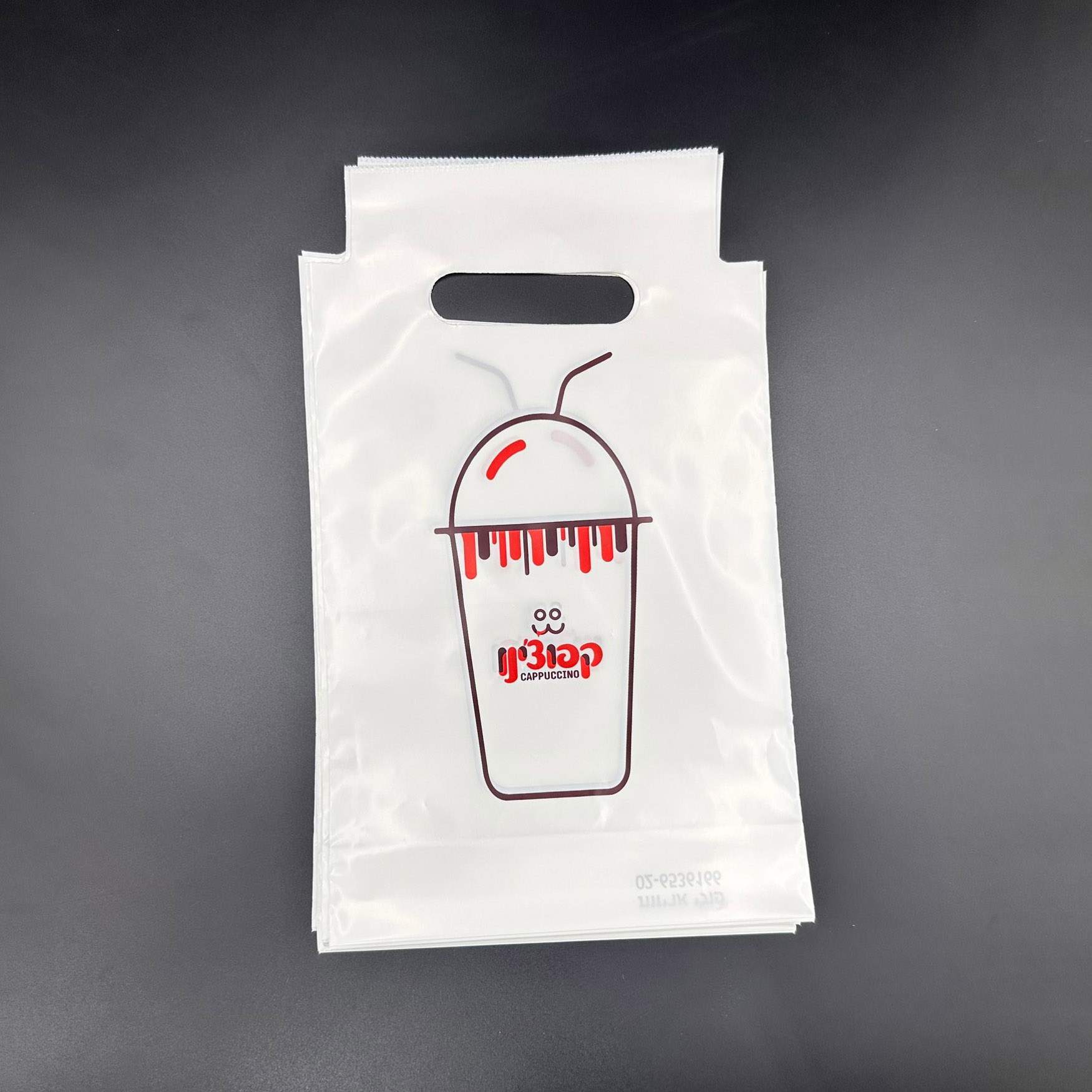
Customized Plastic Bags: Many retailers and brands will custom-print plastic bags not only as a packaging tool but also as a promotional and advertising medium. Customized logos, brand information and advertising can be displayed through plastic bags to increase brand exposure.

Event gift packaging: In large-scale promotional activities, plastic bags can be used as gift packaging tools to package event gifts, gifts or product combinations for the convenience of customers.

2.2 Takeaway and delivery

Catering take-out bags: Many catering industries use special plastic bags to package take-out food. These bags are specially designed not only to carry food but also to be leak-proof, oil-proof and heat-insulating. Especially in the takeaway industries such as fast food, milk tea and coffee, plastic bags have become an indispensable packaging tool.

Delivery bags: In addition to takeaway food, many businesses also use plastic bags for package delivery. For example, in online shopping, plastic bags are used as outer packaging bags to protect the goods from damage and facilitate transportation.

The application of plastic bags goes far beyond traditional packaging functions. They play diverse roles in various industries, covering a wide range of needs from daily life to professional fields. With the promotion of environmental protection and sustainable development trends, innovative applications of plastic bags are still developing and expanding. From food storage to environmentally friendly packaging, from industrial protection to the medical field, plastic bags are providing convenience to people's lives and are gradually adapting to the needs of green environmental protection.


Transparent self-sealing food packaging bags help ensure food export safety and beauty

With the rapid development of global food trade, food packaging must not only ensure safety, but also be aesthetically pleasing and convenient.


Our company specializes in the production and export of resealable plastic food bags, providing high-quality packaging solutions for global food export companies.


Our food-grade plastic packaging bags are made from safe and environmentally friendly PE, PET, and CPP materials that meet international food contact standards.


They are widely used for packaging nuts, dried fruits, candies, seasonings, tea, and baked goods. The transparent design allows consumers to easily view the contents,


boosting purchasing confidence. The self-sealing zipper allows for repeated opening and closing, extending food freshness.


In addition, we provide custom printing services (custom printed ziplock bags), customers can print brand logos, ingredient descriptions and QR codes on the bag,


which not only enhances the product image but also increases market recognition. We support different thicknesses, sizes and styles, suitable for retailers, food processing plants and e-commerce sellers.


Leveraging advanced production technology and rigorous quality control, our products are FDA and SGS certified and are popular in markets such as the United States,


Canada, Europe, the Middle East, and Southeast Asia. We also offer eco-friendly biodegradable ziplock bags to meet international green packaging needs.


We adhere to the core advantages of "high quality + fast delivery + professional foreign trade services" to help customers reduce procurement costs and improve market competitiveness.


If you are looking for a long-term and reliable food packaging supplier (plastic packaging supplier), we will be your best partner.

What Are Slide Pendants and Fixed Bail Pendants?

Clear Definitions


slide pendant: The chain passes through a tunnel/hidden bail so the charm can slide freely; minimal and centered look.

fixed bail pendant: The pendant hangs from a visible, fixed bail; timeless, versatile, and layering-friendly.

Long-tail keyword for explainers: what is a slide pendant vs fixed bail.

How to Choose & What to Check


  • Aesthetics & movement: pick a slide pendant for a clean, anti-flip silhouette; choose a fixed bail pendant if you swap chains/pendants often or love layered stacks.
  • Engineering: for slide pendant, match tunnel diameter to chain gauge and polish the inner channel; for fixed bail pendant, reinforce solder joints and keep plating uniform.
  • Merchandising tip: list the same motif in both versions and clarify what is a slide pendant vs fixed bail on the PDP/FAQ to reduce returns.

Ready to test both a slide pendant and a fixed bail pendant in your line? Explore our full catalog at www.gzolisstjewelry.com — fast sampling, low MOQs, brand engraving, and customized packaging available.

What to Gift on Chinese Valentine’s Day No-Fail Ideas

How to Choose: Meaning  And Everyday Use

Qixi celebrates love and togetherness. Think about:

1、Occasion (daily, date, formal),

2、Meaning (heart pendant, moon & star pendant, initials, engraved dates),

3、Practicality (hypoallergenic, durable, easy to care).


Top Picks: Hypoallergenic, Tarnish-Resistant Necklaces

Heart / coin pendants: universally flattering.

Name / engraving necklaces: add dates or short notes for keepsakes.

Zodiac / birthstone / moon & star: story-driven and photo-friendly.

Couple necklaces: same motif, two sizes.


Material, Length & Fit

Material: stainless steel with PVD gold for skin-friendly durability.

Length: 16–18 in fits most; layer 14/16/18 in for styling.

Detail: slide constructions keep pendants centered and reduce flipping.


Budget Tiers

Entry: minimalist coin/mini heart (engraving optional).

Mid: birthstone or micro-pavé details.

Keepsake: bespoke motif + engraving + gift box.


Ready to shop? Explore curated Qixi picks at www.gzolisstjewelry.com — engraving available, low MOQs, fast shipping. For branding projects, we offer sampling and custom packaging.

How many types of gold necklaces are there?

In the jewelry market, K gold pendants are popular for their unique luster and durability. Based on design and purpose, This article is a common classification guide for gold necklaces.

1、Decorative K gold pendants
These focus on appearance and craftsmanship, often featuring fine engraving or gemstone settings, perfect for daily wear or formal events.

2、Symbolic K gold pendants
Common designs include hearts, crosses, and four-leaf clovers, symbolizing love, faith, or luck, making them especially popular as gifts.

3、Custom K gold pendants
Personal touches such as engravings, birthstones, or unique patterns give special meaning to the pendant, ideal for commemorating important occasions.


When choosing a 18k gold pendant, consider the occasion, personal taste, and budget. Whether buying K gold pendants wholesale or customizing a single piece, these categories can help guide your decision.


Find hypoallergenic, tarnish-resistant pendants at www.gzolisstjewelry.com 

What is a lucky pendant to wear?

In the world of daily accessories, a "lucky pendant" is more than just a beautiful piece—it's a symbolic charm often believed to bring protection, blessings, or personal meaning. But what makes a pendant a "lucky pendant"? Let this article tell us what a lucky pendant is.


1. The Meaning Behind the Design
Lucky pendants often feature symbolic motifs such as four-leaf clovers, amulets, eyes, crosses, or zodiac signs. These are known as spiritual charm pendants, commonly associated with good luck, protection, or positive energy.


2. Material Matters
Beyond the design, materials play a role in the perceived "luckiness" of a pendant. Durable options like stainless steel, 925 sterling silver, or PVD gold plating are favored for their longevity and beauty. Especially, durable stainless steel necklace pendants are practical yet meaningful.


3. Personalization Adds Value
Custom pendants engraved with initials, dates, or unique symbols are considered more personal and lucky. Many wearers choose a custom  engraved  pendant for the intention and thought behind it—turning jewelry into a personal talisman.

Bulk orders & custom designs available at www.gzolisstjewelry.com

How to Choose a Hypoallergenic Necklace?

More and more consumers are now paying attention to whether necklaces cause allergic reactions. Especially for those with sensitive skin, it’s important to choose a hypoallergenic necklace that’s safe for long-term wear. Here are some tips:


1. Choose Stainless Steel Material

316L stainless steel necklaces are highly recommended. They are nickel-free, corrosion-resistant, and gentle on skin, making them a top choice for people prone to allergies.


2. Avoid Nickel-Containing Alloys

Many inexpensive fashion necklaces contain nickel, which is one of the most common triggers for skin irritation. Look for products labeled as “nickel-free” to stay safe.


3. Check the Surface Coating

Good plating craftsmanship not only adds luster but also creates a skin-safe layer. We recommend PVD plating necklace , known for its durability and hypoallergenic properties.


Looking for cross necklaces in bulk or custom designs?
Discover our full collection at www.gzolisstjewelry.com — wholesale ready and crafted to impress.

What is 18K metalized physical vapor deposition (PVD) gold plating?

In the jewelry industry, PVD gold plating is a highly popular surface treatment technology, especially when it comes to making stainless steel jewelry. Compared to the traditional electroplating process, PVD is more durable, less prone to fading, and can provide a shiny and long-lasting golden appearance. Here are the following details that Olivia will use to tell you what 18K metallized PVD gold plating is.

18K PVD gold plating refers to the process of depositing 18K gold onto the surface of stainless steel and other substrates using the "physical vapor deposition" technology in the form of gas. This process does not involve chemical reactions and is more environmentally friendly, while also enhancing the adhesion and wear resistance of the coating.


Key advantages include:

1、The hypoallergenic necklace is an ideal choice: The coating formed under the PVD process is uniform, reducing the risk of skin irritation.


2、The PVD jewelry wholesale industry is widely used: Due to its high

cost-effectiveness and stable appearance, more and more brands choose PVD gold-plated products as their flagship series. Stainless steel gold pendants, such as these, also extensively employ this technique.

The color is more stable and less prone to darkening.


3、Unlike traditional electroplating, PVD gold plating has a more uniform thickness and is less prone to peeling or falling off. Even when worn daily, exposed to water or sweat, the luster can be maintained for several months or even years.

Visit www.gzolisstjewelry.com for premium 18K gold stainless steel jewelry

The Hidden Heartbeat of Your Bathroom Plastic Molding Showdown for Concealed Cisterns

Forget the flashy faucets for a moment. The true unsung hero of a sleek, modern bathroom often lies hidden behind the wall: the concealed cistern. Choosing the right manufacturing method for this vital component – Injection Molding vs. Blow Molding – is crucial for long-term performance and peace of mind. Let's dive deep into the plastic world to find the champion.

The Contenders: Plastic Shaping Titans

  1. Injection Molding: The Precision Powerhouse

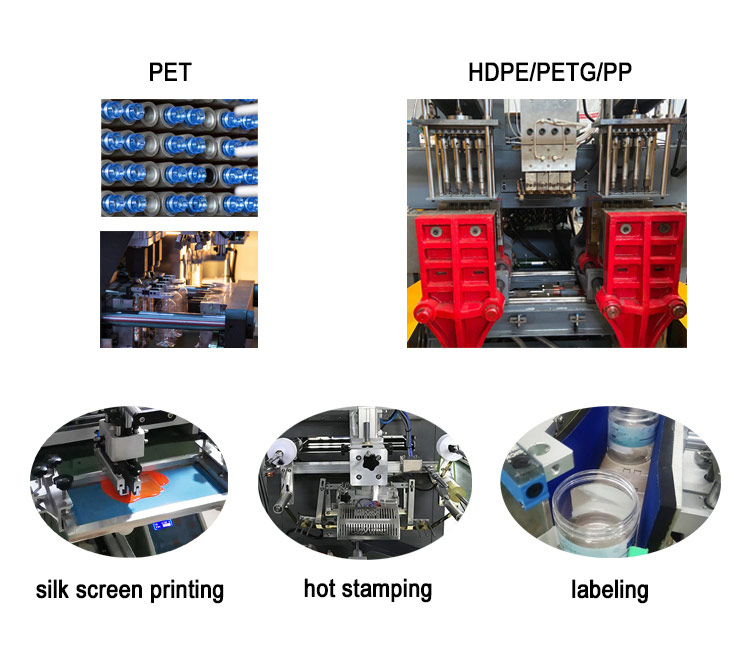
    • How it Works: Molten plastic (like PP or ABS) is forcefully injected under high pressure into a tightly sealed, two-part metal mold cavity. It cools and solidifies into the exact shape.
    • Visual: Imagine intricate molds clamping shut, high-pressure plastic filling every nook, ejecting a precise, solid part.
    • Key Traits: Excellent dimensional accuracy, intricate details possible, consistent wall thickness, high structural rigidity, smooth surfaces (inside & out), efficient for high volumes.Integrated in-wall water reservoirs


  2. Blow Molding: The Hollow Form Specialist

    • How it Works: A hollow tube of molten plastic (parison) is extruded vertically. The mold closes around it, and air is blown into the tube, inflating it against the mold walls to form the hollow shape. Think blowing up a balloon inside a box.
    • Visual: Picture a plastic tube drooping, molds closing, air rushing in to expand it, trimming off excess.
    • Key Traits: Ideal for making hollow, seamless containers (bottles, tanks). Generally lower mold cost than injection. Wall thickness can be less uniform.Space-saving hidden cistern solutions


The Cistern Challenge: Why Injection Molding Wins

While blow molding excels at simple bottles, concealed cisterns demand more. Here’s why injection molding is the superior choice:

  1. Structural Integrity & Pressure Resistance:

    • Cistern Need: Must withstand constant water pressure, hydraulic forces during flushing, and potential water hammer.
    • Injection: Produces solid, rigid walls with consistent thickness. Offers superior strength and resistance to deformation or cracking under pressure.
    • Blow Molding: Walls are thinner overall and thickness varies (often thinner at corners/extremities). Prone to bulging, distortion, or seam weaknesses under sustained pressure. Less robust handling impact or stress points.
  2. Dimensional Accuracy & Sealing:

    • Cistern Need: Precise dimensions are critical for seamless integration with flushing mechanisms (flush plate, valve), mounting points, and inlet/outlet fittings. Must form perfect seals reliably for decades.
    • Injection: Delivers exceptional dimensional stability and precision. Creates smooth, uniform surfaces ideal for reliable gasket sealing. Complex internal features for valve mounting are molded accurately.
    • Blow Molding: Less precise dimensional control. Surface finish is often rougher inside the cavity (where seals often sit). Achieving the exact tolerances needed for complex internal fittings is challenging.
  3. Design Complexity & Internal Features:

    • Cistern Need: Requires integrated mounting points, bosses for valve attachments, overflow channels, flush valve seats, and specific shapes to fit wall cavities.
    • Injection: Masters intricate geometries, undercuts, ribs (for reinforcement), and precise internal structures directly in the mold.
    • Blow Molding: Primarily creates simple hollow shapes. Adding complex internal features requires secondary operations, increasing cost and potential leak points.
  4. Wall Thickness Control:

    • Cistern Need: Optimal strength requires consistent wall thickness, especially at stress points.
    • Injection: Provides precise, uniform wall thickness throughout the part.
    • Blow Molding: Wall thickness varies significantly – thickest where the parison was pinched (usually the base or top), thinnest at the extremities and corners (precisely where strength might be most needed). This inconsistency is a major weakness for pressurized applications.
  5. Material Options & Performance:

    • Cistern Need: Requires durable, chemically resistant, stable plastics.
    • Injection: Easily handles engineering-grade thermoplastics like Polypropylene Copolymer (PP-C) or ABS, known for their toughness, creep resistance, and longevity needed for cisterns.
    • Blow Molding: More commonly uses standard grades like HDPE or basic PP. Achieving the same performance levels with engineering grades can be trickier and less efficient via blow molding.

The Verdict: Injection Molding for the Win

For concealed cisterns, where structural integrity under pressure, precise sealing, dimensional accuracy, and long-term reliability are non-negotiable, injection molding is the unequivocally superior manufacturing process. While blow molding has lower initial mold costs, it sacrifices the critical performance characteristics demanded by this hidden but essential bathroom component.

Choosing Wisely:

When selecting a concealed cistern system, inquire about the manufacturing process. A high-quality cistern crafted via injection molding from a robust polymer like PP-C is an investment in a silent, reliable, and leak-free bathroom core for years to come. Don't let the hidden part become a hidden problem!

DIY Tip: Gently tap the cistern body. Injection molded parts typically feel denser and more rigid with a sharper sound. Blow molded parts often sound slightly more hollow and may flex more easily if accessible.