Perception of Series Laundry Pods

Perception of Seasons Series adopt blend enzymes. Seven types of enzymes targeting specific stains:


The active content of our laundry pods is greater than 60%, it is 4 times comparing to the industry standard. As the standard laundry liquid’s active content of the industry is only 15%. The stain removal of protein type of stains is equivalent to 8 times the cleaning power of the regular laundry liquid.


The Perception of Seasons Series contains bacteria & mites removal function, with 99.9% removal rate of common bacteria and mites, protect our families efficiently.


The Perception of Seasons Series adopted large amount of natural lipase (Natural soap), natural enzymes, DTI dye transfer inhibitor, 301 softener, isomerized alcohol surfactant and other high-quality raw materials, the product has the functions of strong cleaning power, low foam easy to rinse soft color protection and other functions.


Blend Enzyme Laundry Detergent Pods


The Perception of Seasons Series used fragrances from top international fragrance companies.


Youkai Technical adopt strictly high-quality standard for R&D, quality control and production process. At the same time, great care is taken in the selection of each raw material - whether it is a water-soluble film or a fragrance, a surfactant or an auxiliary.


Concentrated, green, high-quality detergents extend the lifespan of your clothes and make your clothes look like new every day. The price of high-quality detergent may be higher, but it can wash the clothes more cleanly and care for them better, the breathability of the clothes is better, and the health of the family is better guaranteed. What's more, using high-quality detergents can also reduce environmental pollution, why not?


Why do my laundry pods not dissolve?

When we take the laundry pod from the package, do we need to cut or tear the film? The answer is no. Actually, the film of the laundry pod is a water-soluble film, that it dissolved when meets with water, therefore, you will just need to toss the laundry pod into the washing machine.


Ok, is our problem solved? Obviously, no.


One of the reasons is that those front-load washing machine consumes lesser water amount for washing and laundry pods tossed into washing machine in an improper way.


How do we avoid the problem mentioned above?

Step 1: toss the laundry pod into the empty washing machine

Step 2: put in your clothes ready for washing

Step 3: turn on the washing machine, start washing.


The reason that we toss the laundry pod into the washing machine before putting our clothes is to prevent the laundry pod being wrapped when the clothes rolled and tied together.


Skincare packaging that consumers complain about the most

I.Poor design, difficult to use

Excessive residue at the bottom of the bottle: Especially for thick lotions, creams, or foundations, the non-pressable bottle design results in a large amount of product residue remaining on the bottle walls and bottom, causing waste.

Dropper too short: The dropper for serums is not long enough to reach the last bit of product at the bottom of the bottle.

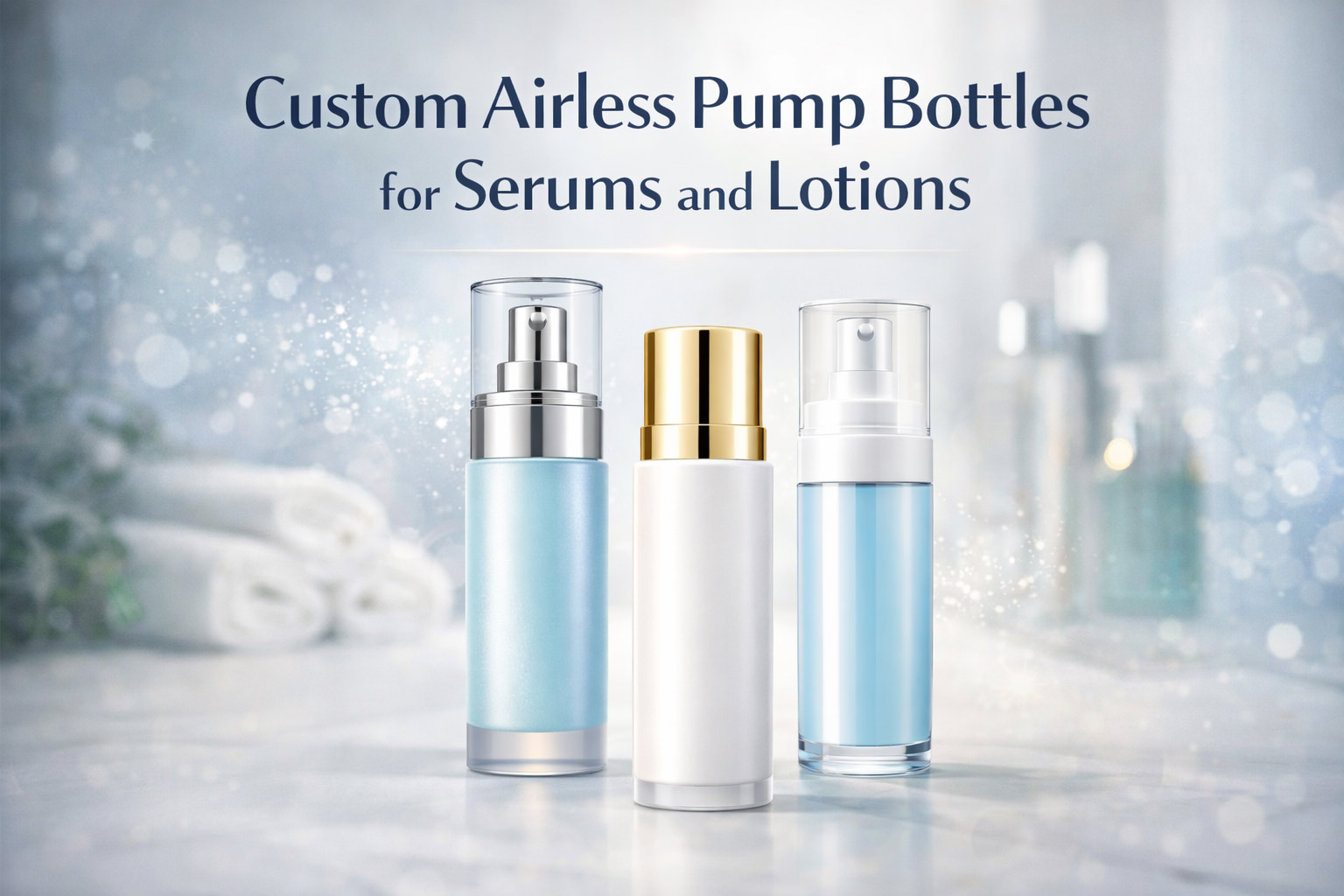
Insufficient pump pressure: For airless bottles, improper pressure may prevent the product from being fully dispensed, or the pump may malfunction from the start.

Inadequate opening design: Cream jars may have openings that are too narrow, making it difficult to insert fingers; cream jars may lack a spatula or a fixed spatula, leading to contamination; dropper openings may be too large, resulting in excessive dispensing at once.

Mismatch between capacity and application: Small-capacity products (e.g., 10ml serums bottles) may have excessively large packaging, while large-capacity lotion bottles may be too heavy; travel-sized products may lack a convenient and airtight design.

II.Unstable packaging quality affects usability.

Leakage Issues: Poor packaging sealing, especially after express delivery or travel, leads to product leakage, causing contamination and loss. This is one of the most frequent consumer complaints.

Pump Head/Sprayer Nozzle Damage: After a few presses, the nozzle may fail to spring back, break, or spray unevenly.

Loose or difficult-to-close cap: A cap that is difficult to unscrew can cause product evaporation, oxidation, or spoilage.

Peeling electroplating/paint: The electroplating or paint on the cap or bottle peels off quickly during daily use, making it look cheap and unsightly.

III.A difference in texture.

The online promotional images are beautiful, but the actual packaging materials, colors, and workmanship are vastly different, feeling plasticky and lacking a premium feel, leading to a disappointing experience.

The cheapness is quite obvious: the glass bottle is fragile and easily scratched, the plastic bottle has a rough texture, and the metal parts (such as the pump head and cap) are prone to oxidation and discoloration.

Design homogenization: Following trends and popular designs (such as square bottles and frosted bottles), lacking brand recognition; jarring color combinations, blurry/easily detached logos.

Excessive packaging waste: Too many layers in gift boxes (cumbersome to open), redundant fillers, and mostly non-recyclable materials, contradicting environmental protection requirements.

IV.Lack of details

Unclear labeling information: Ingredient list font is too small, expiration date/batch number is obscured (difficult to find), and there are no clear usage instructions (such as precautions for airless bottle use).

Safety oversights: Glass bottles lack anti-scalding/anti-slip design, making it easy to burn hands when pouring hot oil products; spray bottles have unstable pressure and are prone to splashing; there is a risk of child contact, and no safety locks are present.

Compatibility issues: Packaging materials conflict with product formulas (such as acidic essences corroding plastic bottles, or essential oil products leaking), leading to product deterioration or packaging damage.

V. Sustainability Issues

Environmental Commitments and Actions: The brand promotes environmental protection concepts, but the packaging itself uses various composite materials that are difficult to separate and recycle, or does not offer replacement options.

Lack of Durability and Easily Damaged: Accessories such as pump heads and caps have short lifespans (malfunctioning after only a few uses), rendering the entire bottle unusable and resulting in waste.

skincare glass packaging supplier

How can airless plastic bottles surpass recycling?

In discussions about sustainable packaging, the word "recycling" has long been dominant. However, for forward-thinking brands, true environmental protection begins at the source.Reducing the environmental footprint of packaging from its very inception is key to achieving deep sustainability. Airless plastic bottles are synonymous with efficiency and hygiene in the skincare and cosmetics industry.

Lightweight Design and Material Innovation

Lightweighting is far more than simply "reducing the amount of material used." In addition to recycling, reducing the environmental burden from the very beginning of packaging is equally important.

Lightweight engineering:

Through precise control of wall thickness and structural optimization, modern environmentally friendly plastic bottles can be made as lightweight as possible while maintaining strength and functionality. While ensuring a robust bottle body and stable pump system operation, we have successfully reduced the weight of a single package by up to 30%.This means that energy consumption and carbon emissions are reduced at every stage of raw material extraction, transportation, and production. Less raw material usage directly reduces carbon emissions in oil extraction and resin production processes.At every stage of logistics and transportation—from our factory to your warehouse and finally to the consumer—lighter packaging means that each truck or plane can carry more product, thereby significantly reducing energy consumption and carbon emissions per unit of product, and reducing the carbon footprint of the brand value chain.

Applications of materials science:

PCR plastic:

Using post-consumer recycled plastics is central to recyclable packaging. Our sustainable airless bottles can be fitted with high-quality PCR materials (such as rPET, rPP), derived from rigorously sorted, cleaned, and processed post-consumer plastic bottles (such as water bottles and cosmetic bottles), and then recycled using cutting-edge technology into high-quality granules that meet cosmetic packaging requirements.Choosing PCR material means you are directly involved in the effort to "rescue" waste from landfills and oceans, reducing reliance on fossil fuels and promoting the formation of a closed-loop materials economy.

Designed with a single recyclable material:

We are committed to optimizing the design to ensure that all parts, such as the bottle body and pump head, are made of the same plastic material as much as possible, or to design a structure that allows for easy and quick separation. This greatly increases the likelihood that the entire packaging can be successfully recycled and reused as a high-quality new product at the end of its life cycle, ensuring the ultimate realization of its environmental value.

15ml airless plastic bottle

Are Foaming Bottles Suitable for Kids'Products ?

When it comes to kids'personal care items, parents look for safety, ease of use, and fun. Foaming bottles have gained attention in this space, but do they really fit the needs of children and their caregivers ? Let's explore.


foam soap bottle custom logo


Safety First: A Key Consideration


Foaming bottles designed for kids must meet strict safety standards. The best options use BPA-free plastic that resists cracks and leaks. Kids often drop or squeeze containers, so durable materials matter. Parents can trust that well-made foam pumps prevent accidental spills, keeping bathrooms and bedrooms cleaner. This reliability makes foaming bottles a practical choice for busy families.


Ease of Use for Little Hands


Children struggle with traditional bottles that require strong squeezes. Foaming bottles solve this by releasing foam with light pressure. Kids can easily dispense the right amount, reducing waste and mess. This independence encourages good hygiene habits, like washing hands without adult help. Brands that prioritize child-friendly design find foaming bottles boost customer satisfaction.


Custom Options to Appeal to Kids


Bulk custom color foam pump bottles let brands create eye-catching designs. Bright hues and playful shapes attract children, making daily routines more enjoyable. Customization also helps parents quickly identify products meant for kids, avoiding mix-ups with adult items. When done well, these designs balance fun with functionality, turning ordinary bottles into tools that make care routines easier.

Foaming bottles work well for kids'products when safety and usability guide their design. They offer convenience for parents and independence for children, with customization options that add value. For brands targeting families, foaming bottles deserve a spot in their product lines.

Are Spray Bottles Recyclable? Materials Explained

In the cosmetics industry, spray bottles are widely used for packaging. However, a question that often arises is: Are these spray bottles recyclable? Let's delve into this and explain the materials involved.


eco friendly cosmetic spray bottle


What Materials Are Spray Bottles Made of ?


Spray bottles for cosmetics packaging rely on specific plastics. PET (polyethylene terephthalate) is a top choice. It’s clear, lightweight, and strong, making it ideal for holding various liquids. HDPE (high-density polyethylene) is another common material. It’s more opaque and flexible, often used for products that need a sturdier container. Some bottles also use PP (polypropylene), which resists heat well.


Can These Materials Be Recycled ?


Most spray bottle materials can be recycled, but it depends on the type. PET and HDPE are highly recyclable. Recycling facilities easily process them, turning old bottles into new plastic products. PP is recyclable too, though not as widely accepted as PET or HDPE. The key is to check local recycling guidelines. Always empty and rinse the bottle first—residues can ruin the recycling process.


The Role of Eco Spray Bottles


Eco spray bottles are gaining popularity. They use recycled materials or are designed for multiple uses. Manufacturers make them from recycled PET or HDPE, reducing the need for new plastic. Reusable eco spray bottles also cut down on waste, as they can be refilled many times. Choosing these options helps brands meet sustainability goals.

In short, most spray bottles are recyclable if made from PET, HDPE, or PP. Knowing the material and following local recycling rules matters. And with eco spray bottles on the market, the cosmetics industry moves toward greener packaging.

Can Cream Bottles Be Used for Both Face and Body Products?

Can cream bottles seamlessly serve both face and body products? This question lingers in the minds of many in the cosmetics industry, and its answer holds significant implications for product packaging strategies.


cream pump bottle


Material Matters: A Common Ground


The key lies in the material of the cream bottle. High quality plastics like PET and HDPE are non - reactive and safe. They don’t interact with the active ingredients in either face serums or body lotions. This means a cream bottle made of these materials can hold facial moisturizers and body butters alike without compromising product integrity. Brands can rely on such bottles to keep both types of products fresh.


Design Adaptability: Form Follows Function


Smart design makes versatility possible. A well - designed cream pump bottle, for example, works perfectly for both areas. The pump controls dosage, preventing waste whether you’re applying a small amount to your face or a bit more to your arms. Wide - mouth bottles, too, let users scoop out product easily, fitting both facial and body application needs. The right design bridges the gap between face and body use.


Practical Tips for Dual Use


While cream bottles can do double duty, some tips help. Clean the bottle thoroughly when switching products to avoid cross - contamination. Choose sizes that match usage—smaller bottles for travel - sized face creams, larger ones for body products. These simple steps ensure the bottle serves both purposes effectively.

In short, cream bottles can absolutely work for both face and body products. With the right material, design (like a cream pump bottle), and proper care, they offer a flexible packaging solution for cosmetics brands.

Can Emulsion Bottles Be Refilled and Reused?

In an era where sustainability drives consumer choices, the question of whether emulsion bottles can be refilled and reused matters more than ever. The good news? Most high-quality emulsion bottles, especially those from reliable emulsion bottle wholesale suppliers, offer this eco-friendly option.


emulsion bottle wholesale


Factors Affecting Reusability


Several aspects determine a bottle’s refill potential. First, check the material. Bottles made from PET or PP plastics often withstand repeated use well. Second, examine the design. Bottles with wide openings and detachable parts are easier to clean thoroughly. Suppliers focusing on emulsion bottle wholesale usually provide detailed product specs to help buyers assess reusability.


emulsion bottle cosmetic


Tips for Safe Refilling and Reusing


To reuse emulsion bottles safely, start by cleaning them with warm soapy water and rinse multiple times. Avoid harsh chemicals that could damage the plastic. Also, consider the compatibility of new products with the previous content. Some formulas might react negatively, affecting product quality. When sourcing bottles from an emulsion bottle wholesale provider, inquire about compatibility guides.

In conclusion, refilling and reusing emulsion bottles is often possible and beneficial for both your wallet and the environment. When looking for suitable bottles, turn to trusted emulsion bottle wholesale suppliers for durable, reusable options.

Can I Use Spray Bottles for Alcohol-Based Products?

In the cosmetics industry, a common question arises: Can I use spray bottles for alcohol-based products? This concern stems from the unique properties of alcohol, but the answer isn’t as straightforward as a simple yes or no.


mist spray bottle


Not All Spray Bottles Are Equal


You can use spray bottles for alcohol-based products, but only if you pick the right ones. Alcohol is a solvent, so it can break down certain materials over time. Cheap plastic spray bottles with weak components may crack, leak, or stop working after repeated contact with alcohol. However, high-quality spray bottles made from compatible materials handle alcohol well.


Key Traits of Suitable Spray Bottles


Good spray bottles for alcohol-based products share specific features. They are usually made from PET or HDPE plastics, which resist alcohol’s solvent effects. The nozzle and seal must also be alcohol-resistant to prevent clogging or leakage. These bottles maintain their structure, ensuring the spray mechanism works smoothly even with regular use.


Choosing the Right Supplier


To get reliable spray bottles for your alcohol-based cosmetics, look for good spray bottle wholesale options. Reputable wholesalers offer products tested for compatibility with alcohol. This way, you avoid wasting money on bottles that fail and ensure your products stay functional and safe.

In short, using spray bottles for alcohol-based products is possible with the right selection. Focus on quality materials and trusted suppliers, and you’ll find the perfect solution for your cosmetic packaging needs.